

Our Practitioners
Meet our experienced, and caring practitioners at Turning Ground.
We currently offer both telehealth and in-person sessions at our premises in Thornbury, Victoria. Connect with our practitioners, their specialisations, and approach below. Book a Free Discovery Call here.
-

Sally Gottlieb (she/her)
INTEGRATIVE PSYCHOTHERAPIST
-

Al Jeffery (he/him)
INTEGRATIVE PSYCHOTHERAPIST
Individuals & Couples -

Kyle Miller (he/him)
INTEGRATIVE PSYCHOTHERAPIST
-

Amelia Glass (she/her)
INTEGRATIVE PSYCHOTHERAPIST

At the core of our practice,
we are committed to your healing and growth, creating foundations for your possibilities to emerge.
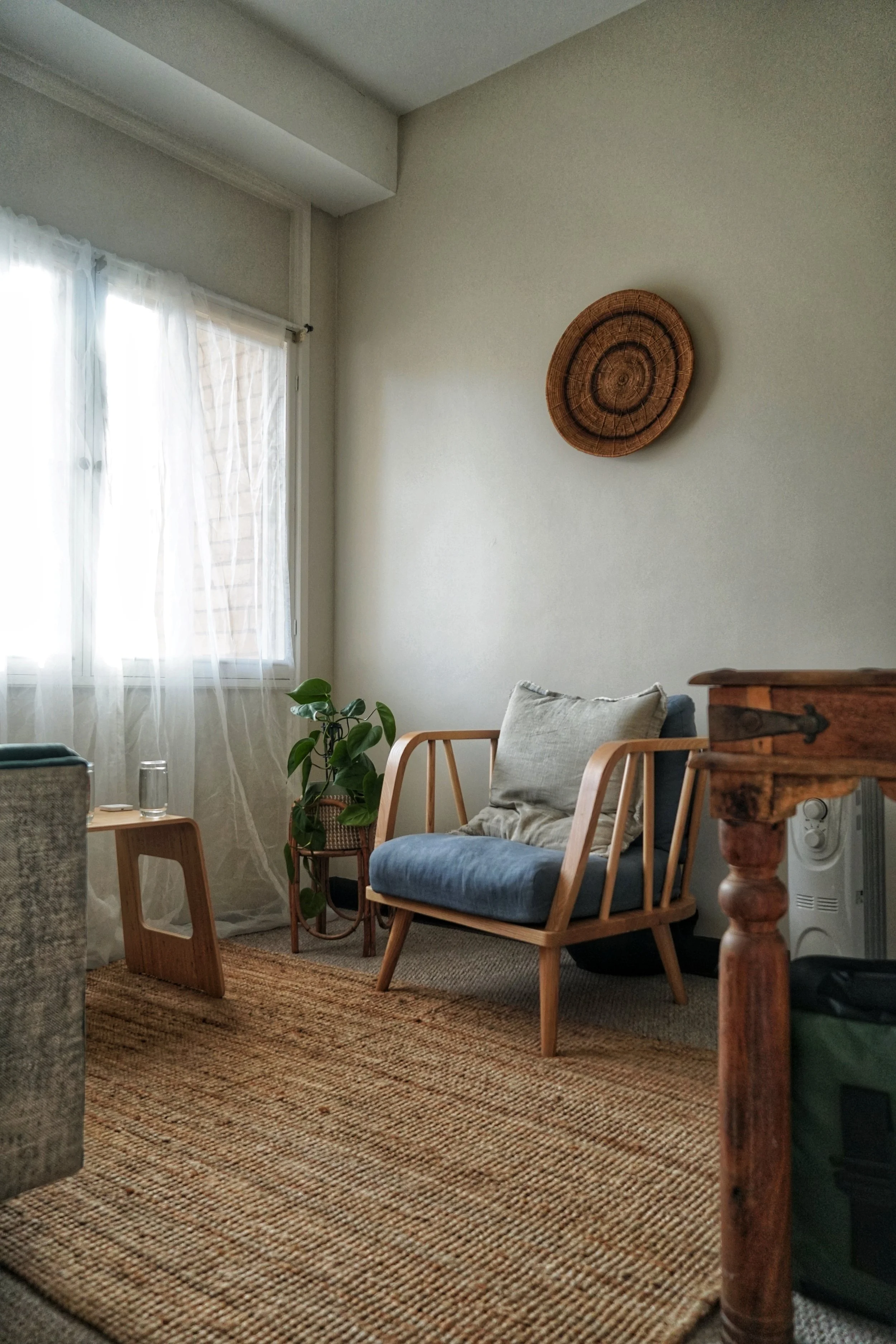
Some of our spaces.


Frequently asked questions.
-
Generally speaking, the key difference between psychology and psychotherapy is education and training.
Psychology can be understood as the study of the human mind through scientific means. Originating from the Greek “psyche” meaning "soul" or "mind," and "logos" meaning “study” or “knowledge”, ‘psychology’ can be translated as the "study of the soul/mind”. Psychology is considered a behavioral science, and training typically follows evidence-based practices which utilises approaches like cognitive-behavioral therapy (CBT) and acceptance and commitment therapy (ACT). Psychology generally approaches therapy through a medicalised lens. Psychologists undergo approximately three years of undergraduate training, which includes a focus on statistics and research. This is followed by one to two years of postgraduate study, focusing on clinical practice.
Psychotherapy, as a broad term, encompasses the utilisation of psychological interventions in the context of talk therapy, aimed at improving mental health and well-being. “Psychotherapy”, originating from Greek “psyche” (“soul”/“mind") and "therapeia" meaning “healing”, can be interpreted as the "healing of the soul." Whilst psychotherapy is grounded in scientific principles and evidence-based approaches, it also incorporates a range of other theories and approaches to treatment. Further, contemporary psychotherapy includes a focus on the body and the use of the therapeutic relationship for relational repair and facilitating positive change. While training varies, as a minimum, psychotherapists have an undergraduate degree plus extensive specialised training in psychotherapy.
-
Currently, psychotherapists are unable to provide sessions eligible for Medicare rebates. However, the pricing for psychotherapy generally aligns with the typical out-of-pocket expense for a psychology session covered by Medicare.
-
Whilst we believe the deepest therapeutic work can be done in person, each of our practitioners have set availabilities for Telehealth/online sessions.
-
How long therapy will last is unique to each individual and depends on various factors, including personal history, character, the duration of challenges, and the presenting problems. If you have been experiencing chronic difficulties, it is important to consider that a reasonable amount of time may be needed for long-lasting change.
While it is difficult to predict an exact timeline, research suggests that individuals often experience significant improvements within 8 to 26 sessions. However, therapy is a personalised process, and the length of treatment will be determined collaboratively between you and your therapist to support your unique needs and goals.
Our ultimate goal is to help you reach a level of well-being where therapy is no longer necessary. -
The frequency of therapy sessions varies depending on individual needs and the nature of the issues being addressed. However, research suggests that weekly therapy sessions often yield the fastest results as consistent support and accountability create the fertile conditions for change to occur. However, we understand that each person's needs are unique, and we are here to serve you accordingly.
During our initial session, we will discuss and collaborate on determining the appropriate therapy frequency that best suits your individual needs. Whether it's weekly, fortnightly, or monthly sessions, our aim is to provide you with the support and guidance necessary for your therapeutic journey. -
A standard individual session is 50 minutes, with availability for 90 minute sessions if suitable and arranged with a practitioner. A standard couples session is 80 minutes long. if needed.
-
As a team of clinicians, pricing varies across our practitioners. An approximation of pricing is:
Individual Psychotherapy (50 minutes): $120 - $150.
Couples Psychotherapy (80 minutes): $200 - $220
If your question is still not answered, or you would like to explore working with one of our practitioners, book a discovery call here.